
blogs
designing-for-humans-the-psychology-behind-great-ux
Posted on 2025
In the digital age, every click, scroll, and interaction is shaped by human behavior. While many businesses focus on the visual appeal of their products, the real success of a digital experience lies deeper — in understanding how users think, feel, and make decisions.
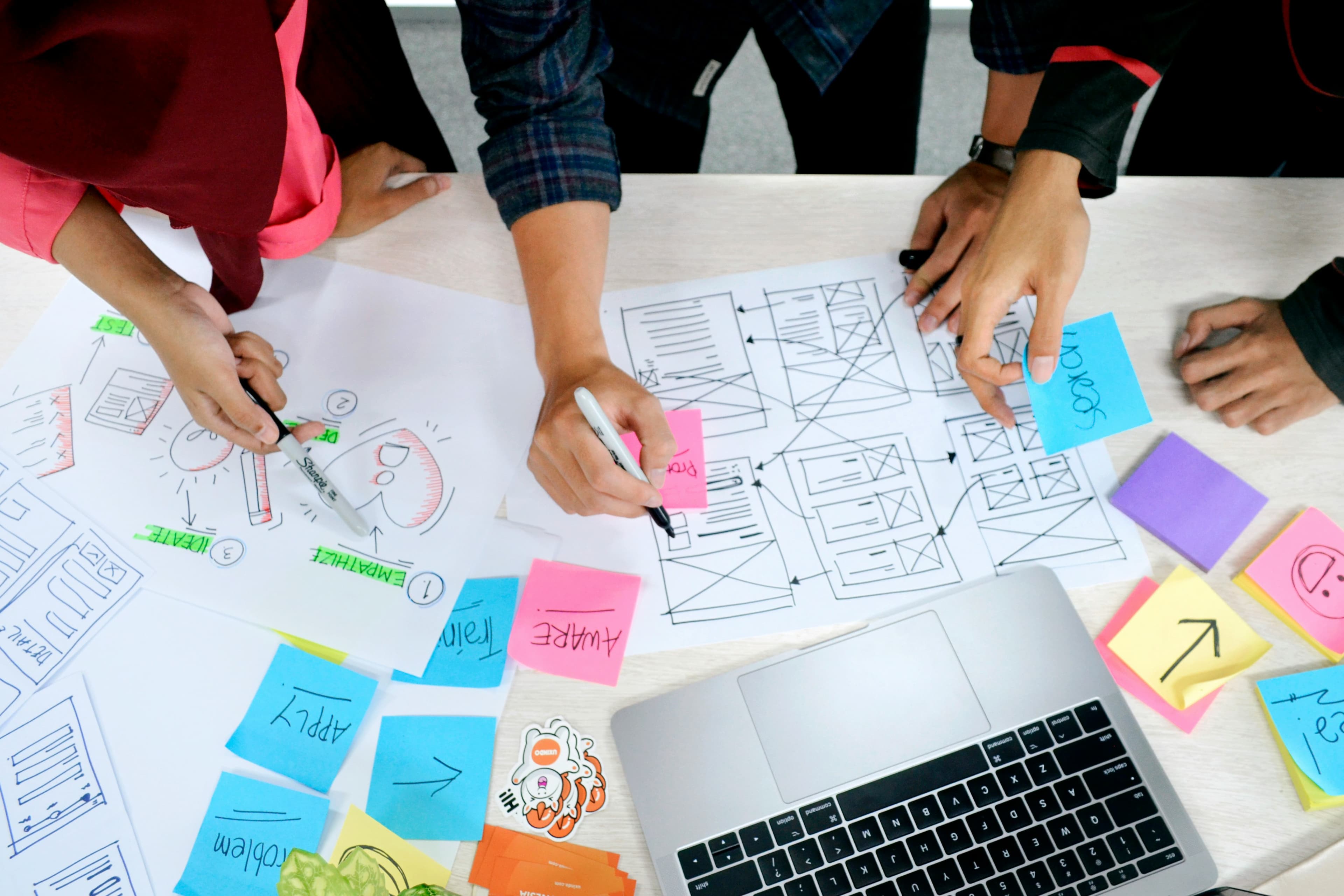
For business leaders and designers alike, applying psychology to UX isn’t just a creative choice—it’s a strategic advantage. By understanding human motivation and cognitive behavior, companies can design digital experiences that foster trust, loyalty, and long-term engagement.
Human attention is limited. When a user lands on a website, their brain instantly begins filtering information to decide what's relevant. Overwhelming them with too many options or cluttered layouts increases cognitive load, making it harder to complete a task. Successful UX design reduces mental effort by presenting clear navigation, consistent layouts, and minimal distractions. Simplicity doesn't mean less functionality—it means thoughtful prioritization. A streamlined interface allows users to act confidently, which directly translates to higher conversion and satisfaction rates.
Users don't just interact with websites—they form emotional connections with them. Color schemes, typography, and micro-interactions evoke feelings that influence perception and memory. For instance, warm tones and rounded shapes convey friendliness and trust, while cooler tones and sharp edges often suggest professionalism and precision. Brands like Airbnb and Spotify excel in emotional design by aligning aesthetics with brand personality. Emotional consistency makes users feel understood and welcomed, which strengthens loyalty and advocacy.
Studies show that users form an impression of a website's credibility within 50 milliseconds. Small psychological cues—such as whitespace, symmetry, and image quality—can determine whether users stay or leave. Building trust through UX means paying attention to both design and transparency. Elements like security badges, honest copywriting, and consistent branding all signal reliability. In an age where users are wary of scams and data misuse, trustworthy design is a key differentiator.
Great digital products understand habit loops—cues, actions, and rewards. By providing timely feedback and positive reinforcement, designers can turn casual users into repeat visitors. For example, Duolingo uses gamification (points, streaks, and sound effects) to keep users engaged in daily practice. Similarly, e-commerce sites use wishlists and personalized notifications to create anticipation and reward loops. Businesses that understand these psychological patterns can encourage sustained engagement naturally rather than through intrusive tactics.
Inclusive design is not just about compliance—it's about empathy. A psychologically aware UX process ensures that products are usable by people of all abilities and backgrounds. Simple features like readable contrast ratios, clear text hierarchy, or screen-reader support can make a world of difference. Designing for accessibility communicates that the brand values every user equally, fostering goodwill and broader reach. In business terms, this inclusivity translates to stronger brand equity and better public perception.
A growing EdTech company, "EduSphere," faced declining user engagement despite an expanding course library. The leadership suspected design flaws but didn't know where the real issue lay. After conducting behavioral analysis and usability testing, the team discovered several psychological barriers affecting user experience.
At its core, UX design is about empathy. It's about stepping into the user's shoes and shaping experiences that align with their mental models, emotions, and expectations. The most successful products are those that anticipate user needs and respond intuitively—creating not just usability, but delight. For businesses, the psychology behind UX offers a clear competitive edge. When a brand designs for humans rather than devices, it creates loyalty that goes beyond transactions. Customers remember how a product made them feel, and those emotions often define whether they return or recommend it. As technology evolves—with AI, augmented reality, and personalization becoming mainstream—the human element remains irreplaceable. Understanding the psychology behind great UX ensures that innovation serves people, not the other way around. In the end, design built for humans will always stand the test of time.
